




How to Adjust SHIMANO SPD-SL Spring Tension
SHIMANO SPD-SL pedals use an adjustable spring mechanism that lets riders change how much force is required to release the cleat from the pedal. Increasing spring tension creates a firmer engagement and release feel, while decreasing tension makes unclipping easier.
There is no single ideal spring tension for every rider. The best setting depends on experience, riding style, and personal preference.
SPD-SL spring tension at a glance:
- More tension: Firmer retention and more force required to release.
- Less tension: Easier release with less force.
- Adjust incrementally: Make small changes and test between adjustments.
- Match left and right: Keep both pedals at comparable settings unless you intentionally want them different.
- Test before normal riding: Confirm engagement and release in a controlled environment.
What Does SPD-SL Spring Tension Control?
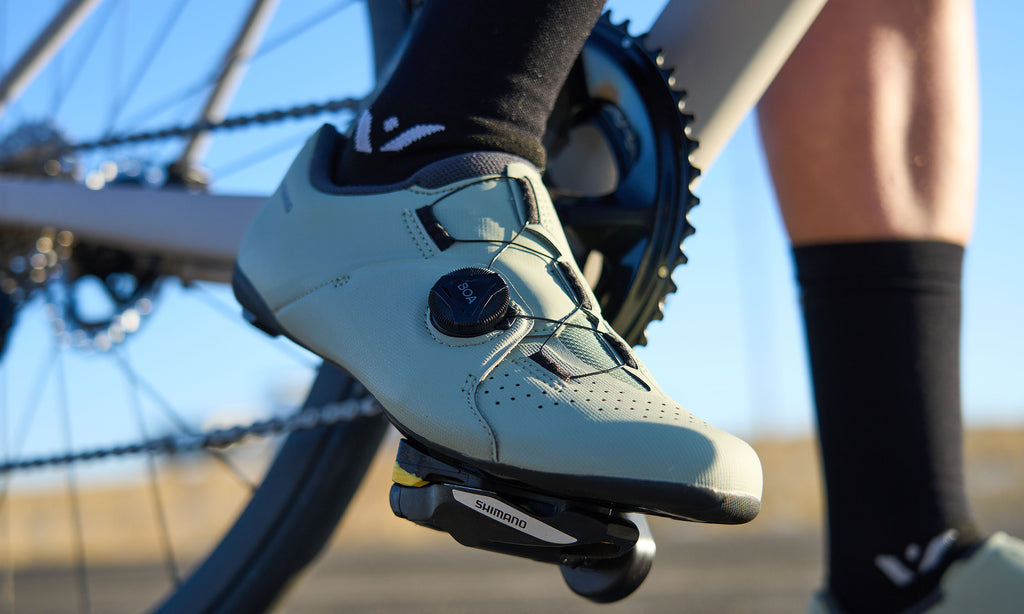
The spring mechanism inside an SPD-SL pedal controls how firmly the pedal retains the cleat and how much force is required to release it.
Adjusting spring tension changes the engagement and release feel of the pedal. It does not change the position of the cleat on the shoe or the amount of cleat float.
That distinction is important because retention tension, cleat position, and cleat float are separate parts of an SPD-SL setup.
Explore SHIMANO SPD-SL pedals.

Why Would You Increase SPD-SL Spring Tension?
Increasing spring tension creates a firmer retention feel and requires more force to rotate the cleat out of the pedal.
Some experienced riders prefer this because engagement and release feel more deliberate.
A higher tension setting may be worth trying if:
- You prefer a firmer clip-in and release feel.
- You are already confident clipping in and out of SPD-SL pedals.
- Your current release setting feels lighter than you prefer.
- You want more deliberate cleat retention during aggressive riding.
Why Would You Decrease SPD-SL Spring Tension?
Lower spring tension reduces the force required to release the cleat.
This can make learning the heel-out release motion easier for riders who are new to clip-in road pedals.
A lighter setting may also be preferable if your current tension feels unnecessarily difficult to release.
Consider lower spring tension if:
- You are learning to use SPD-SL pedals.
- You want an easier release while practicing.
- Your current setting feels too difficult to disengage.
- You simply prefer a lighter release feel.
How Do You Adjust SHIMANO SPD-SL Spring Tension?
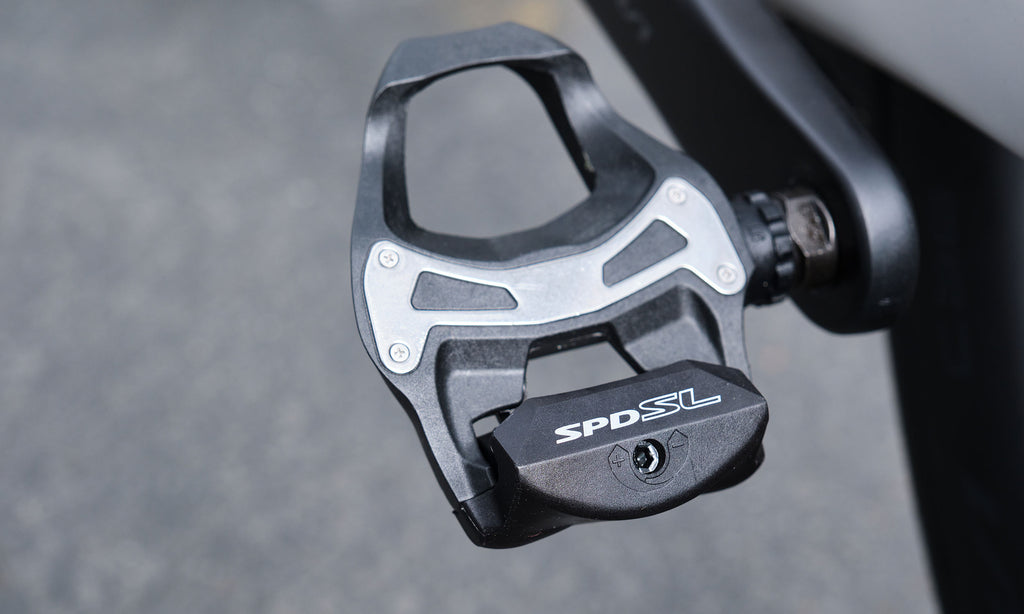
SHIMANO SPD-SL pedals use a tension adjustment screw located near the rear binding mechanism.
Each SPD-SL pedal is single-sided, so each pedal has one primary engagement mechanism and corresponding spring tension adjustment.
- Locate the tension adjustment screw. Find the adjustment point near the rear of the SPD-SL binding.
- Use the correct hex wrench. Follow the instructions for the specific pedal model.
- Turn clockwise to increase tension. This creates firmer cleat retention.
- Turn counterclockwise to decrease tension. This makes release easier.
- Adjust in small increments. Count the clicks so you can make comparable changes to the opposite pedal.

Which Direction Do You Turn the SPD-SL Tension Screw?
- Clockwise: Increase spring tension.
- Counterclockwise: Decrease spring tension.
Make changes one or a few clicks at a time rather than moving immediately to an extreme end of the adjustment range.
Should Both SPD-SL Pedals Have the Same Spring Tension?
Most riders will prefer similar tension on the left and right pedals because it creates a more consistent release feel.
When adjusting one pedal, count the number of clicks and make the same change to the other side.
The pedals are individually adjustable, however, so different settings are possible if a rider has a specific preference or fit requirement.
If you intentionally use different left and right settings, make sure you are familiar with how each pedal releases before normal riding.
How Should Beginners Set SPD-SL Spring Tension?
A lighter release setting is often a practical place to start while learning to use SPD-SL pedals.
Practice clipping in and rotating the heel outward to release until the motion becomes familiar.
A stationary trainer or open, low-risk area is a good environment for practicing before riding in traffic.
Once clipping in and out feels comfortable, experiment with slightly firmer tension if desired.
How Do You Test SPD-SL Spring Tension?
After making an adjustment, check engagement and release before heading onto a normal ride.
Confirm that:
- The cleat engages normally.
- You can intentionally release by rotating your heel outward.
- The release force feels predictable.
- The left and right pedals feel comparable if you intend them to match.
- You are comfortable with the setting before riding in traffic.

How Can You Record Your Preferred SPD-SL Tension Setting?
SPD-SL pedals may not provide a numerical setting that you can simply write down, but you can create a repeatable reference by counting adjustment clicks.
- Start at your preferred tension.
- Count the clicks while turning the adjustment toward its minimum setting.
- Record that number.
- Return the adjustment the same number of clicks to restore your preferred setting.
Repeat the process for the other pedal if needed.
Is SPD-SL Spring Tension the Same as Cleat Float?
No. They adjust two different characteristics of the pedal system.
- Spring tension: Changes how much force is required to release the cleat from the pedal.
- Cleat float: Determines how much rotational movement the shoe has while remaining engaged.
Changing spring tension does not change the float built into the cleat.
Which SHIMANO SPD-SL Cleats Have Different Amounts of Float?
SHIMANO offers three primary SPD-SL road cleats with different float characteristics.
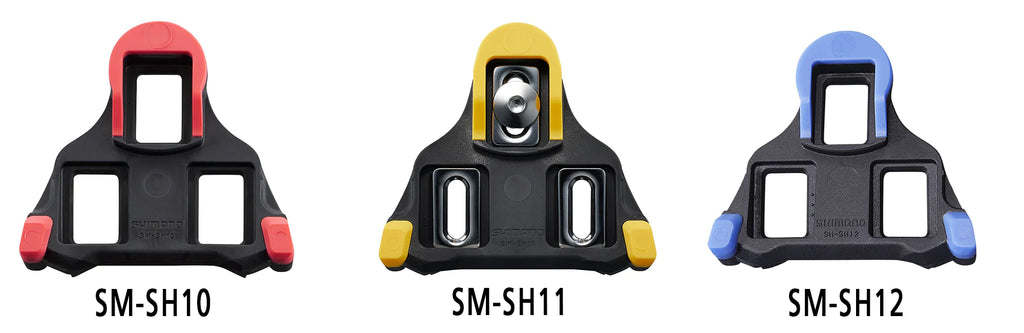
- Yellow SM-SH11: The highest-float option in the standard SPD-SL cleat range.
- Blue SM-SH12: Provides less float than the yellow cleat.
- Red SM-SH10: Fixed cleat with no intentional rotational float.
Cleat choice should be treated separately from spring tension. Riders should select cleat float based on fit and riding preference rather than using cleat color as a way to make clipping out easier or harder.
Does More SPD-SL Spring Tension Improve Power Transfer?
Spring tension primarily changes cleat retention and the force required for release.
It should not be treated as a standalone adjustment for speed, efficiency, or power transfer.
Pedaling support depends on the complete shoe, cleat, and pedal system, including shoe fit, sole stiffness, cleat position, pedal design, and rider setup.
Choose spring tension based primarily on the retention and release feel you prefer.
What Is the Best SPD-SL Spring Tension?
There is no universal best setting.
- New to SPD-SL: Start with lighter release tension and practice.
- Release feels too difficult: Reduce tension slightly.
- Retention feels lighter than you prefer: Increase tension slightly.
- The current setting feels predictable and comfortable: No adjustment is necessary.
The right setting is the one that provides the retention feel you want while still allowing deliberate, predictable release when you need to unclip.


