




SHIMANO SPD-SL is a three-bolt clip-in pedal system designed primarily for road cycling and triathlon. It uses a broad cleat and pedal interface to create a stable connection between the cycling shoe and pedal.
The system is optimized for riders who prioritize a large pedal contact area and a secure road-specific shoe-to-pedal connection.
SPD-SL at a glance:
- Three-bolt cleat system: Designed for compatible road cycling shoes.
- Broad contact area: Creates a stable shoe-to-pedal interface.
- Single-sided engagement: Riders clip into one side of the pedal.
- Heel-out release: Rotate the heel outward to disengage.
- Road focused: Most commonly used for road cycling and triathlon.
What Is SHIMANO SPD-SL?
SPD-SL is SHIMANO's road-oriented clip-in pedal system.
A compatible SPD-SL cleat attaches to the bottom of a cycling shoe using three bolts. The cleat then engages with the pedal to create a mechanical connection between the rider's shoe and bike.
SPD-SL is most commonly used with road cycling shoes, which are designed around a stiff sole and exposed three-bolt cleat.
Explore SHIMANO SPD-SL road pedals and SPD-SL cleats.
Why Does SPD-SL Use a Three-Bolt Cleat?
The three-bolt cleat provides a broad mounting pattern beneath the shoe and allows SHIMANO to use a larger cleat and pedal contact area than its two-bolt SPD system.
That larger interface creates a stable platform beneath the foot during pedaling.
This design is well suited to road cycling, where riders typically spend long periods seated and pedaling and do relatively little walking in their cycling shoes.
What Are the Benefits of SPD-SL?
The main benefit of SPD-SL is its broad, stable connection between the shoe and pedal.
- Large contact area: Helps create a stable pedaling platform.
- Consistent foot position: The cleat holds the shoe in a repeatable position on the pedal.
- Secure engagement: The shoe remains mechanically connected until the rider releases it.
- Road-specific design: Works with stiff three-bolt road cycling shoes built around sustained pedaling.
SPD-SL is best understood as part of a complete system that includes the shoe, cleat, pedal, and cleat position.
What Is the Difference Between SPD-SL and SPD?
SPD-SL and SPD are both SHIMANO clip-in pedal systems, but they are designed around different priorities.
SPD-SL:
- Three-bolt cleat.
- Larger cleat and pedal contact area.
- Exposed cleat.
- Primarily designed for road cycling and triathlon.
SPD:
- Two-bolt cleat.
- Smaller, recessed cleat design.
- Typically easier to walk in.
- Common in mountain biking, gravel, touring, commuting, and indoor cycling.
Learn more about SHIMANO SPD technology.
What Shoes Work With SPD-SL Pedals?
SPD-SL pedals require cycling shoes that support a three-bolt road cleat pattern.
Most SHIMANO road cycling shoes are designed around this three-bolt interface.
A two-bolt SPD-only shoe cannot directly accept an SPD-SL cleat unless the shoe is specifically designed with both mounting patterns.
Always confirm the shoe, cleat, and pedal are compatible before installation.
How Do You Clip Into SPD-SL Pedals?
SPD-SL pedals are single-sided, so the engagement mechanism is located on one side of the pedal.
To clip in:
- Position the front of the cleat under the front catch of the pedal.
- Press the shoe downward into the pedal.
- Continue pressing until the cleat engages with an audible and tactile click.
New riders may want to practice the motion while holding onto a stable support or using a stationary trainer before riding in traffic.

How Do You Unclip From SPD-SL Pedals?
To release from an SPD-SL pedal, rotate your heel outward, away from the bicycle.
This motion disengages the cleat from the pedal mechanism.
Practice unclipping with both feet before riding in situations where you may need to stop quickly.

Can You Adjust SPD-SL Pedal Tension?
Many SHIMANO SPD-SL pedals allow the rider to adjust the spring tension that controls how much force is required to release the cleat.
Riders new to clip-in pedals may prefer a lower release tension while learning the system, then adjust it later based on personal preference.
Follow the instructions for your specific pedal model when making tension adjustments.
Are SPD-SL Cleats Easy to Walk In?
SPD-SL cleats protrude below the sole of the cycling shoe, so walking is less natural than with a recessed two-bolt SPD cleat.
That tradeoff reflects the system's road-focused design. SPD-SL prioritizes a broad pedal interface rather than off-bike walkability.
Riders who expect to walk frequently may prefer a recessed SPD system instead.
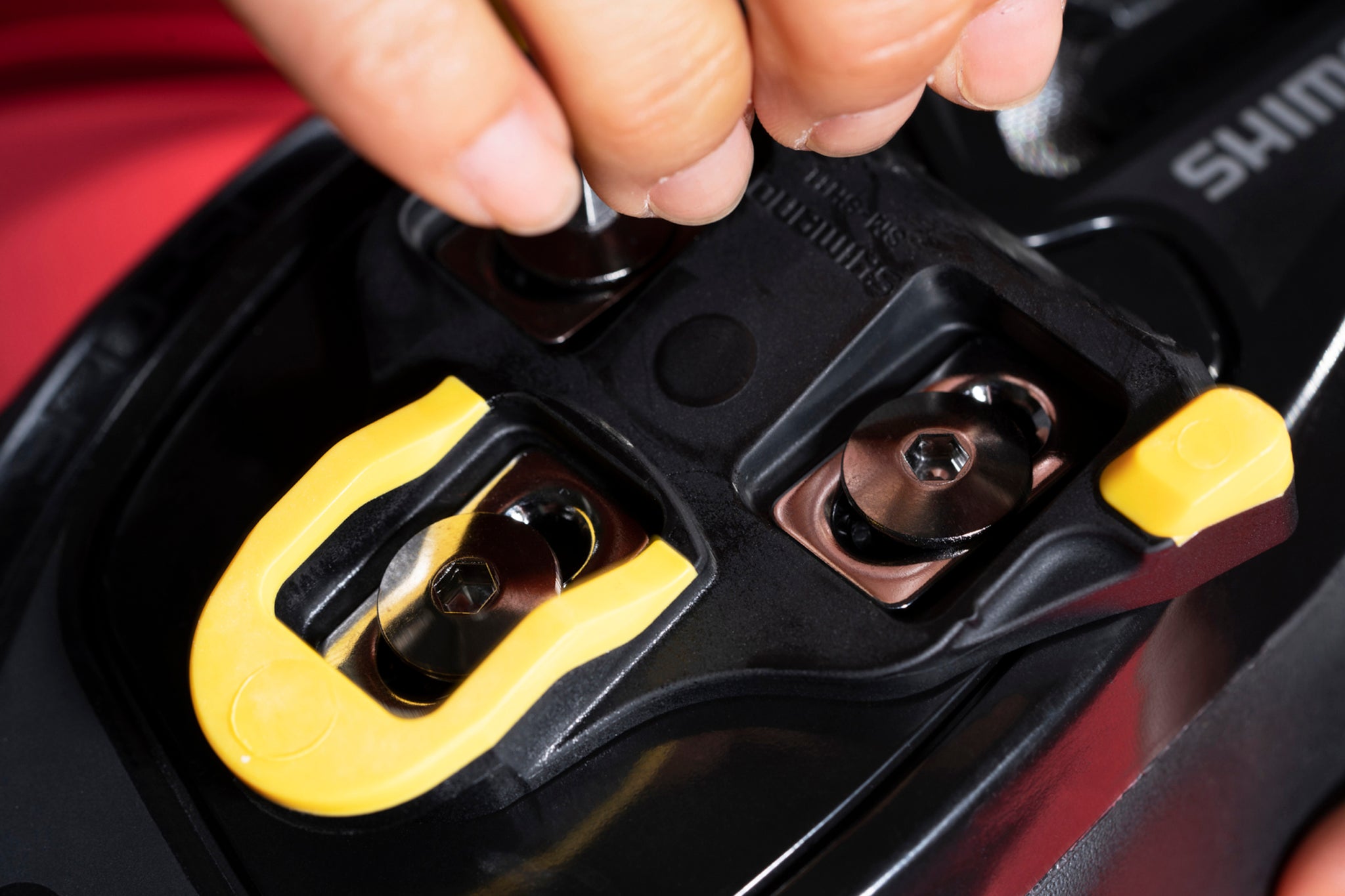
How Do You Install SPD-SL Cleats?
SPD-SL cleats attach to compatible shoes using three bolts.
Cleat position can be adjusted forward, backward, and laterally within the mounting range of the shoe and cleat.
Because cleat position affects where the foot sits relative to the pedal, riders who are unsure about setup may want assistance from an experienced bike fitter or bike shop.
When installing SHIMANO SPD-SL cleats, follow the torque specification provided with the cleat and shoe. The original SHIMANO guidance for this installation specifies approximately 5-6 Nm for the cleat mounting bolts.
Use an appropriate torque wrench and follow the installation instructions supplied with your specific components.
Who Should Choose SPD-SL?
SPD-SL may be a good choice if:
- Road cycling is your primary discipline.
- You want a broad shoe-to-pedal contact area.
- You use stiff three-bolt road cycling shoes.
- You spend relatively little time walking in your cycling shoes.
- You prefer a road-specific clip-in system.
If walkability, off-road traction, or frequent stops on foot are higher priorities, SHIMANO SPD may be the better system.
Understanding SHIMANO SPD-SL
SPD-SL is SHIMANO's three-bolt road pedal system, built around a large cleat and broad pedal contact area.
Its strengths are a stable road-specific interface, repeatable foot positioning, and secure mechanical engagement between shoe and pedal.
The key is choosing the system that matches your riding. For road cycling and triathlon, SPD-SL is the SHIMANO platform designed specifically for that job.


