




SHIMANO SPD is a two-bolt clip-in pedal system designed for cycling disciplines where secure pedal engagement and off-bike walkability both matter. The compact cleat can sit recessed within the outsole of compatible cycling shoes, making SPD especially well suited to mountain biking, gravel, touring, commuting, and indoor cycling.
Compared with SHIMANO's road-focused SPD-SL system, SPD uses a smaller cleat and a more walkable shoe design while still creating a mechanical connection between the rider and pedal.
SHIMANO SPD at a glance:
- Two-bolt cleat: Uses a compact mounting pattern on compatible cycling shoes.
- Recessed cleat: Allows the shoe outsole to contact the ground while walking.
- Secure engagement: Mechanically connects the shoe to the pedal.
- Heel-out release: Most SPD setups release by rotating the heel outward.
- Versatile application: Used for mountain biking, gravel, touring, commuting, indoor cycling, and other riding styles.

What Is SHIMANO SPD?
SPD is SHIMANO's two-bolt clip-in pedal system.
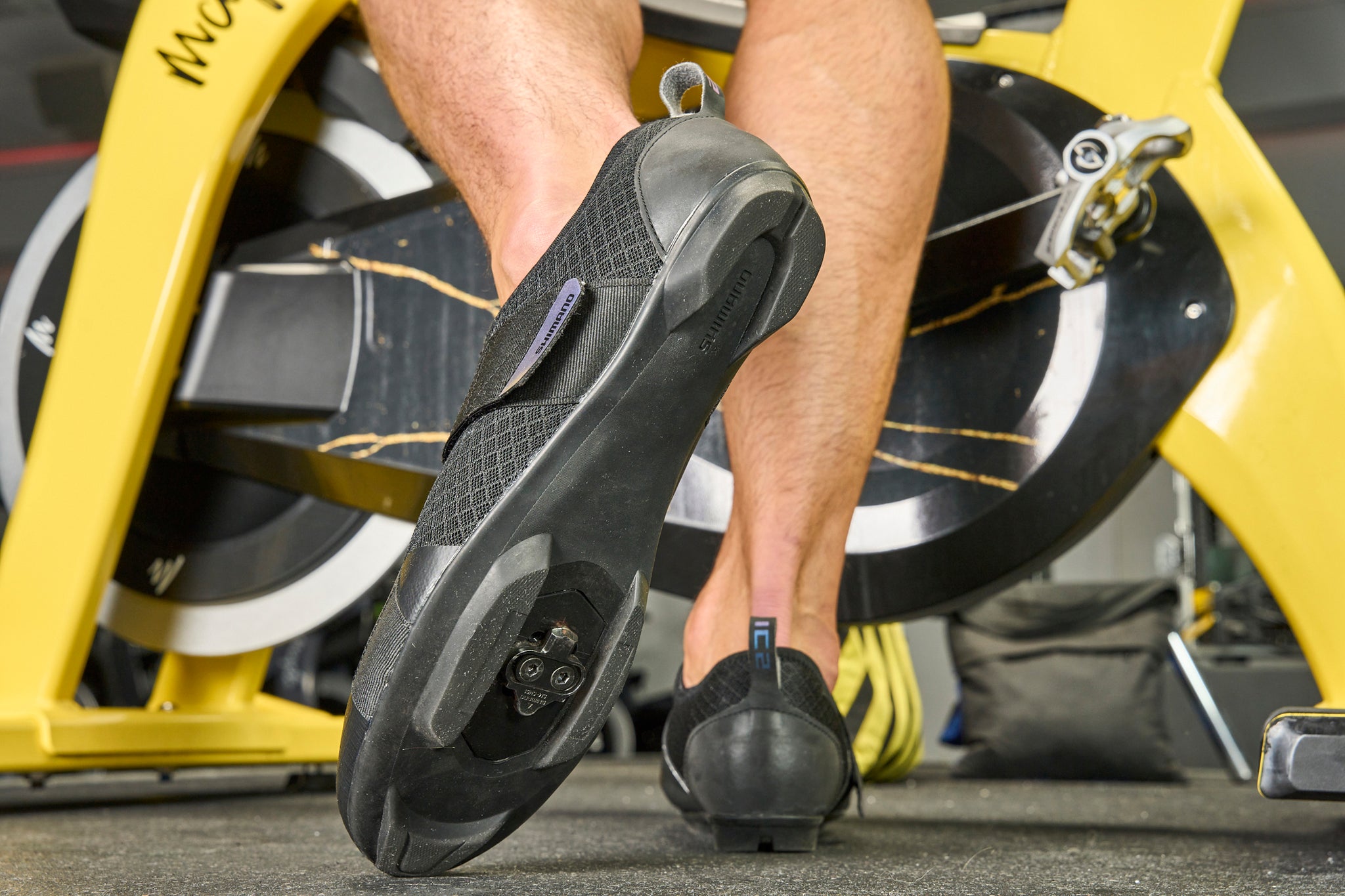
A compatible SPD cleat mounts to the bottom of a cycling shoe using two bolts. The cleat then engages with the pedal to create a secure mechanical connection between the rider's shoe and bike.
The compact cleat is designed to sit within a recessed area of compatible cycling shoes, allowing the shoe's outsole to contact the ground when walking.
Explore SHIMANO SPD pedals.
Why Does SPD Use a Two-Bolt Cleat?
The compact two-bolt format allows the cleat to fit within the shoe's outsole rather than protruding prominently beneath it.
That makes it possible for SPD-compatible shoes to incorporate rubber tread, lugs, or other outsole features around the cleat.
This design is particularly useful for riding styles where cyclists may need to walk, run, push the bike, navigate technical terrain, or move around a studio or workplace in their cycling shoes.
What Are the Benefits of SPD Pedals?
SPD combines secure pedal engagement with greater off-bike versatility than a traditional exposed road cleat system.
- Recessed cleat design: Makes walking more natural than with an exposed road-style cleat.
- Repeatable foot position: The cleat engages the shoe in a consistent position on the pedal.
- Secure connection: Helps keep the foot engaged during riding until the rider releases.
- Off-road versatility: Compatible shoes can incorporate tread and traction around the cleat.
- Wide range of applications: One pedal system can serve many different types of riders and bikes.

What Is the Difference Between SPD and SPD-SL?
SPD and SPD-SL are both SHIMANO clip-in pedal systems, but they are designed around different priorities.
SPD:
- Two-bolt cleat.
- Compact, recessed cleat design.
- Better suited to frequent walking and off-bike use.
- Common in MTB, gravel, touring, commuting, and indoor cycling.
SPD-SL:
- Three-bolt cleat.
- Larger cleat and broader pedal contact area.
- Exposed cleat and less natural walking.
- Primarily designed for road cycling and triathlon.
Learn more about SHIMANO SPD-SL technology.
Which Cycling Shoes Work With SPD?
SPD pedals require cycling shoes with a compatible two-bolt cleat mounting pattern.
Many mountain bike, gravel, touring, commuting, and indoor cycling shoes are designed around this interface.
The two-bolt mounting area is typically recessed within the outsole so rubber tread can surround the cleat.
Always check the shoe's cleat compatibility before purchasing or installing SPD cleats.
Are SPD Cycling Shoes Easier to Walk In?
Generally, yes.
The SPD cleat is small enough to sit within a recessed area of the outsole on compatible cycling shoes. That allows the rubber outsole or tread to contact the ground instead of forcing the rider to walk primarily on the cleat.
Actual walkability still varies by shoe. A stiff XC race shoe and a flexible touring shoe may both use SPD while feeling very different off the bike.
The important distinction is that the SPD interface allows shoe designers to build walkable outsole features around the cleat.
How Do You Clip Into SPD Pedals?
The exact engagement motion can vary slightly by cleat and pedal, but the basic process is straightforward.
- Position the SPD cleat over the pedal's engagement mechanism.
- Press the shoe down into the pedal.
- Continue until the cleat engages with an audible and tactile click.
Many dedicated SPD pedals offer engagement on both sides, while some recreational or indoor pedals combine an SPD mechanism on one side with a flat platform or cage on the other.
If you're learning to use clip-in pedals, practice engagement and release while holding onto a stable support or using a stationary bike before riding in more demanding situations.
How Do You Unclip From SPD Pedals?
With a standard SHIMANO SPD setup, release is typically achieved by rotating the heel outward, away from the bicycle.
This rotation disengages the cleat from the pedal mechanism.
Practice releasing both feet so the motion becomes familiar before riding in traffic or on technical terrain.
Are All SHIMANO SPD Cleats the Same?
SHIMANO offers different SPD cleat designs for different engagement and release preferences.
For example, some SPD cleats use a traditional single-direction release, while other designs provide additional release or engagement options.
The CL-MT001 is designed with multiple entry methods while retaining a familiar heel-out release.
Because cleat behavior can vary, check the specifications and instructions for the specific SPD cleat you use.
Can You Adjust SPD Pedal Release Tension?
Many SHIMANO SPD pedals allow riders to adjust the spring tension that affects how much force is needed to release the cleat.
Riders who are new to clip-in pedals may prefer a lighter release setting while learning, while experienced riders may choose a different setting based on riding style and preference.
Adjustment procedures vary by pedal model, so follow the instructions supplied with the specific pedal.
Where Is SPD Used?
SPD is one of SHIMANO's most versatile pedal platforms and is used across a wide range of cycling disciplines.
- Cross-country mountain biking: Secure engagement combined with off-road shoe traction.
- Trail and enduro: SPD engagement paired with more protective shoes and, on some pedals, larger platforms.
- Gravel: Clip-in performance with walkability for off-bike sections.
- Touring and commuting: Recessed cleats make frequent stops and walking more practical.
- Indoor cycling: Compact two-bolt cleats are widely used with studio and home cycling shoes.
Who Should Choose SPD?
SPD may be a good choice if:
- You regularly walk in your cycling shoes.
- You ride mountain bikes or gravel.
- You want a recessed two-bolt cleat.
- You commute, tour, or make frequent stops.
- You ride indoors on bikes equipped with SPD pedals.
- You want one versatile clip-in platform for multiple types of riding.
Riders primarily focused on road cycling who prioritize a larger shoe-to-pedal contact area may prefer SHIMANO SPD-SL instead.
Understanding SHIMANO SPD
SPD is SHIMANO's compact two-bolt clip-in system, designed to combine secure pedal engagement with the ability to build more walkable cycling shoes around a recessed cleat.
That balance is what makes SPD useful across such a broad range of cycling, from World Cup cross-country racing to gravel, commuting, touring, and indoor workouts.
If you want a clip-in system that prioritizes versatility both on and off the bike, SPD is the SHIMANO platform designed for the job.


